





The Stroke Treatment Journey
Treatment happens in stages — from the moment of stroke to long-term recovery at home.
🔬 Treatment Phases Timeline
🚑 Phase 1: Emergency Response (First Minutes)
Getting to a hospital fast is the most important thing you can do. When you arrive at the emergency department, doctors will:
🏥 Phase 2: Acute Hospital Treatment (First Hours/Days)
💊 For Ischaemic Stroke (Clot)
tPA (clot-busting drug) can be given by injection within 4.5 hours of symptoms. It dissolves the clot and restores blood flow. In some hospitals, a mechanical device (thrombectomy) can physically remove the clot.
🔬 For Haemorrhagic Stroke (Bleed)
Treatment focuses on stopping the bleed and reducing brain pressure. This may include medications to lower blood pressure, surgery to repair a burst vessel or aneurysm, or draining of blood from around the brain.
Blood thinning medicines (aspirin) to prevent further clots · Blood pressure medications · Glucose (blood sugar) monitoring and management · DVT (deep vein thrombosis) prevention · Nutritional support and hydration
🔄 Phase 3: Rehabilitation (Weeks to Months)
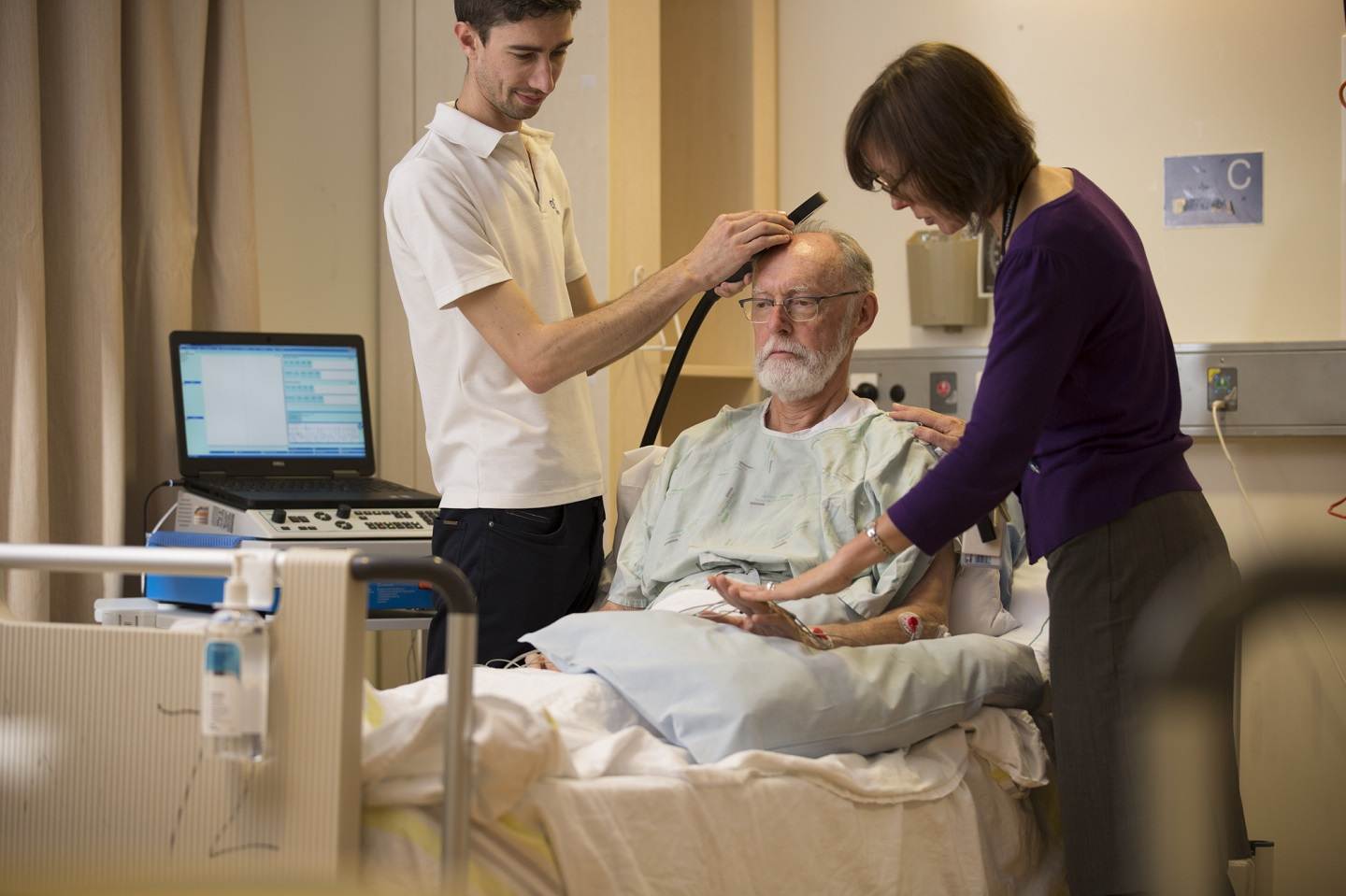
Rehabilitation (rehab) helps stroke survivors regain as much function as possible. The brain has the ability to rewire itself — called neuroplasticity — and rehab exercises help build new neural pathways. The earlier rehab begins, the better the outcomes.
Physiotherapy
Rebuilds strength, movement, balance and walking ability. Uses exercises, stretching and assistive devices like walking frames.
Speech Therapy
Helps with speaking, understanding language, reading, writing and safe swallowing (dysphagia). A speech therapist designs personalised language exercises.
Occupational Therapy
Helps patients relearn daily tasks — dressing, cooking, writing, using tools — so they can regain independence at home and in the community.
Cognitive Rehab
Addresses memory problems, concentration, problem-solving and emotional changes including depression and anxiety which are common after stroke.
🏠 Phase 4: Long-Term Recovery at Home
After hospital discharge, recovery continues at home. Ongoing medication, lifestyle changes and family support are all essential to prevent a second stroke and improve quality of life.
Take all prescribed medicines. Do not stop without doctor's advice even if you feel better.
Monitor blood pressure, blood sugar and cholesterol. Attend all follow-up appointments.
Reduce salt, fat and processed foods. Increase fruits, vegetables and water intake daily.
Gentle walking, stretching and movement help rebuild strength and prevent future strokes.
Depression after stroke is common. Talk to your doctor, family, and community for emotional support.
Both dramatically increase the risk of having another stroke. Ask your health worker for support to quit.
👨👩👧 The Role of Family in Stroke Recovery
In Papua New Guinea, family is everything. Family members play a crucial role in stroke recovery. Here is how you can help a stroke survivor in your family:
Be Patient
Recovery takes time. Encourage without pressuring. Celebrate small improvements.
Assist Exercises
Help the patient do their daily physiotherapy and practice speech exercises.
Prepare Healthy Meals
Cook nutritious, low-salt meals. Ensure they drink enough water each day.
Talk & Listen
Emotional support is vital. Talk to them regularly, even if they struggle to respond.
Track Medications
Help them take medications on time every day. Keep a medication schedule on the wall.
Act FAST – Every Second Counts
Recognize stroke signs early:
F – Face drooping | A – Arm weakness | S – Speech difficulty | T – Time to act
Get Help Now