⚠️
What is a Stroke?
A stroke is a medical emergency. Understanding it can be the difference between life and death — or between full recovery and permanent disability.
📖 The Simple Definition
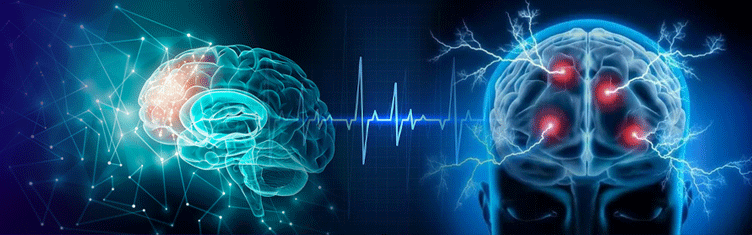
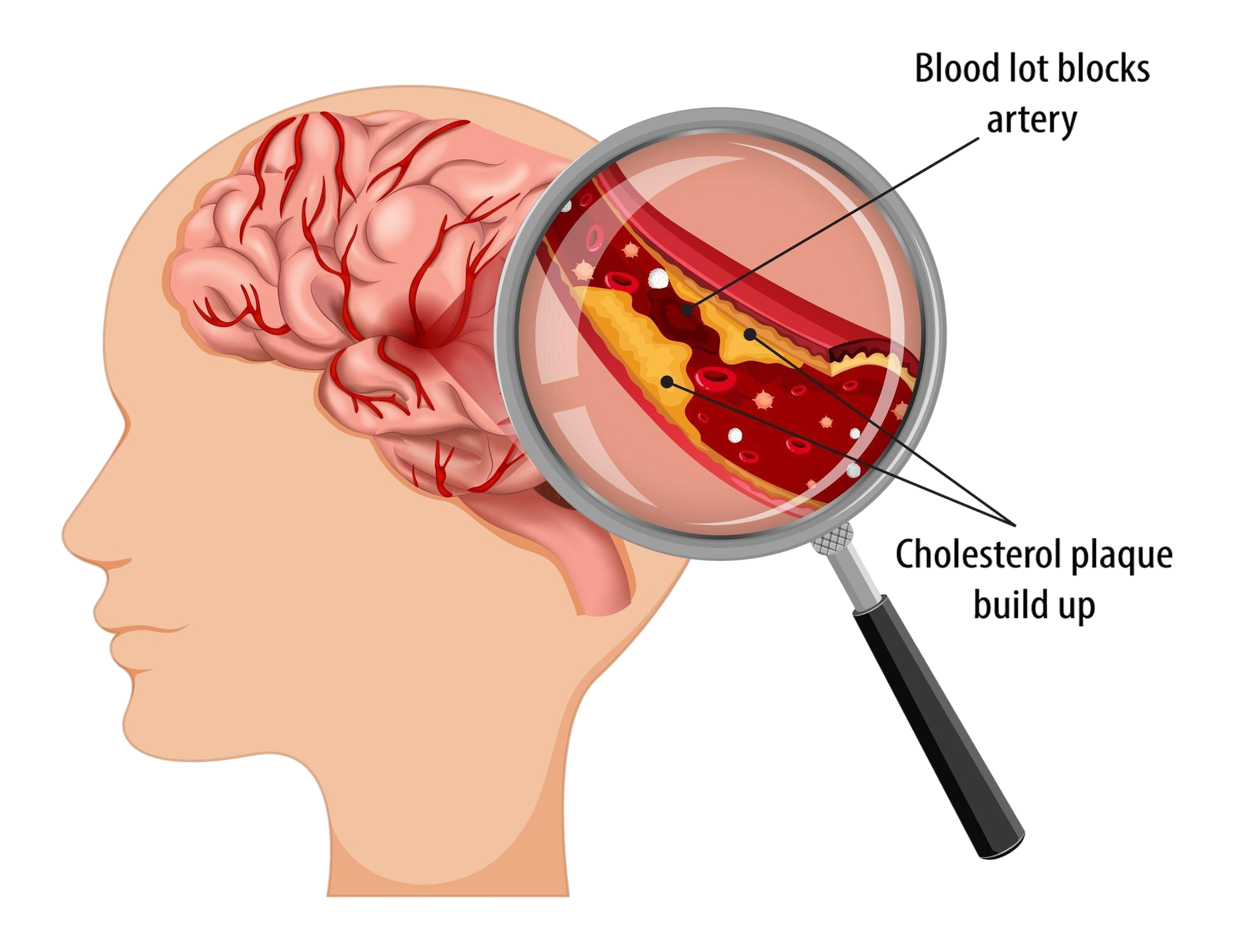
A stroke occurs when blood supply to part of the brain is cut off or reduced, preventing brain cells from getting the oxygen and nutrients they need. Within minutes, brain cells begin to die. This can result in permanent brain damage, disability, or death.
Stroke is sometimes called a "brain attack" — just like a heart attack, it needs immediate emergency treatment. Every minute without treatment, approximately 1.9 million brain cells are lost.
🔬 Types of Stroke
🩸
Ischaemic Stroke
Most Common — ~85% of all strokes
Caused by a blood clot blocking an artery to the brain. The clot may form in the brain (thrombotic) or travel from elsewhere in the body (embolic). Risk factors include high blood pressure, diabetes, irregular heartbeat, and smoking.
💥
Haemorrhagic Stroke
Bleeding in or around the brain — ~15%
Caused when a blood vessel bursts and bleeds into or around the brain. The leaked blood increases pressure inside the skull, damaging brain tissue. High blood pressure is the most common cause. Can also be caused by aneurysms or head trauma.
⚡
TIA – Mini Stroke
Transient Ischaemic Attack — A Warning Sign
A TIA is a temporary blockage of blood flow to the brain. Symptoms are the same as a stroke but last only a few minutes to hours and resolve on their own. However, a TIA is a serious warning — 1 in 10 people will have a full stroke within 3 days.
📋 Stroke Risk Factors in PNG
These conditions and habits increase your risk of stroke. Many are preventable:
🩺
High Blood Pressure
#1 cause of stroke in PNG
🍬
Diabetes
Damages blood vessels over time
🚬
Smoking
Doubles your stroke risk
🍺
Alcohol
Heavy drinking raises blood pressure
🛋️
Inactivity
Physical inactivity increases risk
🧂
High Salt Diet
Raises blood pressure significantly
😰
Stress
Chronic stress affects heart and brain
👴
Age
Risk increases after age 55
Act FAST – Every Second Counts
Recognize stroke signs early:
F – Face drooping | A – Arm weakness | S – Speech difficulty | T – Time to act
Get Help Now